I used to work in the tech industry for 18 years, and my latest projects were stock trading and Internet of Things apps; those were the most soulless years of my career. So I decided to leave for travels to South America and keep working remotely. At some point, I quit my job and programming. Then I started working on this project, Nomad Cook, telling stories of the people I was meeting during my trip.
After traveling through the countries there, my plan was to come back to Mexico to renew passport and visas, and then head to South East Asia to continue doing the same. I wanted to do something more meaningful than filming food videos, so when I arrived in Oaxaca, all the plans changed. I thought that opening a small restaurant with a community-oriented model would be a good way to achieve that goal.
I started looking for people to collaborate with. I partnered up with a local chef, but things didn’t go well; when we were at a point of no return, he disappeared without any explanation. I didn’t have the full knowledge and experience to keep going on my own, and the money was still running out. It was a matter of time until everything crashed.
A Trip to Heal
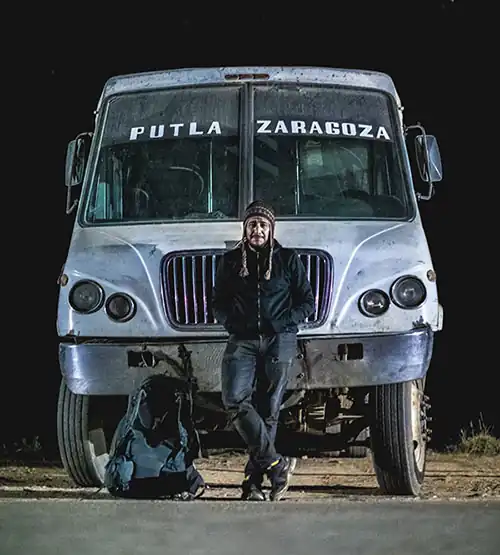
Regardless of the failure, I decided to stay in Oaxaca and rebuild up here. Almost broke, I made a trip to La Mixteca region with no purpose but to spend time with myself. After roaming around, I wound up in Putla. I met a new friend there, Ivan, who took me to the outskirts to grab a delicious breakfast. I wish I could say the same thing about their Café de Olla, so I asked him if there was a better place to drink Oaxaca coffee. I didn’t know that what was coming next would change many things in my life.
We headed back to Putla, Ivan took me to this little coffee shop in the main square. Their drinks were magnificent, I ordered an espresso and an Americano that blew my mind, one of the best I’ve drunk. It had everything I needed to comfort my heart. I remember that one of the things that caught my attention was a beautiful dog with a hat painted on the wall; it was their logo. In that moment I felt that things were going to be better. Have you ever felt like that? Having a moment of darkness and then, thanks to someone else’s creativity, passion, and kindness, you feel better. Well, that’s the best way I can describe it. I left Putla feeling better and ready for the first step to rebuild myself.
I went back to Putla again, and we had our first meeting. We enjoyed several cups of coffee. We discussed their communication needs and ideas. After brainstorming, we decided that the best approach to start would be a video about the chain, from the harvest, all the way to the bars. They told me about their concern about how underappreciated the people behind the production are, so they wanted to depict the process.
Our shared passion for coffee made the comradery happen, I could feel the love they have put into their efforts. I was discovering an inspiring story. I was listening to the whole team and how they were feeling by seeing their energies channeled into something beautiful.
A Oaxaca Coffee Town in the Mountains
We drove to Zaragoza Itundujia, the town where they grow coffee. I was introduced to the farming community that works there; we walked through the hillsides, filming and watching our steps to avoid stumbling and rolling down the hill.
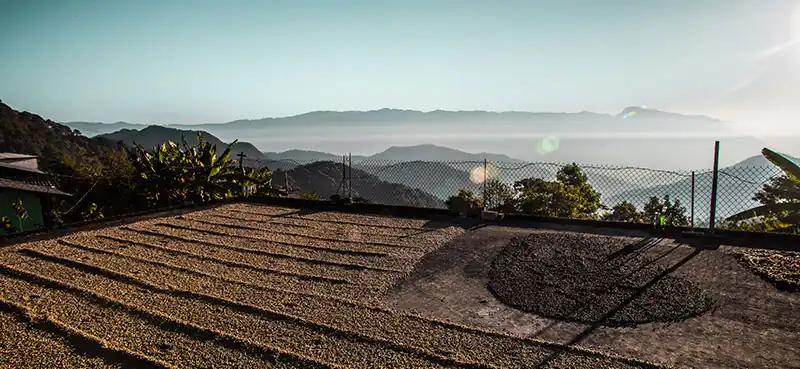
I felt I was in a paradise: foggy morning views; the way that people treated me; food, conversations; the silence of the forest; coffee beans sun-drying on the roofs. But not everything is heartwarming. Other aspects brought me back to Earth; it’s easy to overlook the disadvantages they have. Because of that, it’s important to mention the lack of access to services like primary health care, education, and roads in a good state. The latter one specifically, makes it more difficult for producers to move their coffee to other towns to deliver it. In other words, all of those factors affect their productivity.
The independent farmers in small villages, far away from the big cities, have limited options to sell their crops. They don’t have resources to improve their coffee quality, to upgrade their equipment, and the access to a free market is limited. It’s crucial to raise awareness of these issues.
Coffee that Tastes like Love
I learned all this after interviewing and talking to the people of this town and Diracsema. They offer another option to the producers to sell their harvest. They pay, immediately, a more favorable price to them. They work together to improve the quality of their beans and share their techniques with them.
The next video to produce was to document the work of Obdulia. She decided to risk a significant percent of her crop to experiment with a honey fermentation process. That batch ended up being one of the most outstanding beans of 2019.
One of the objectives of Nomad Cook is to tell stories about people that are doing something positive for their communities. With all the odds against her, she made it to international coffee conferences. She became one of the most knowledgeable people in Oaxaca about specialty coffee. They decided to open a specialty coffee bar in Putla, in the middle of Zaragoza and Oaxaca City.
They bet against the odds; the logical thing to do was trying to open the coffee shop in Oaxaca City. They found a way to distribute their coffee in some restaurants and to sell their coffee to roasters so they can make their own blends or roast it their way. A growing project with a big soul, that’s how I’d describe them. They inspired me to keep going forward through their passion and love for coffee.
Adapt to Survive
My lesson learned is that starting a business in a field that you’re not knowledgeable about and with people that you recently met is not a good plan. The objectives and initial idea of starting a business are still alive, but this time, providing technical support to local communities and telling their stories. I started teaching cooking classes in Oaxaca to subsidize this operation. Along with an ongoing campaign on Patreon, if you want to support this project, you can contribute here.